Mold Remediation
Mold Remediation in Bellevue, WA
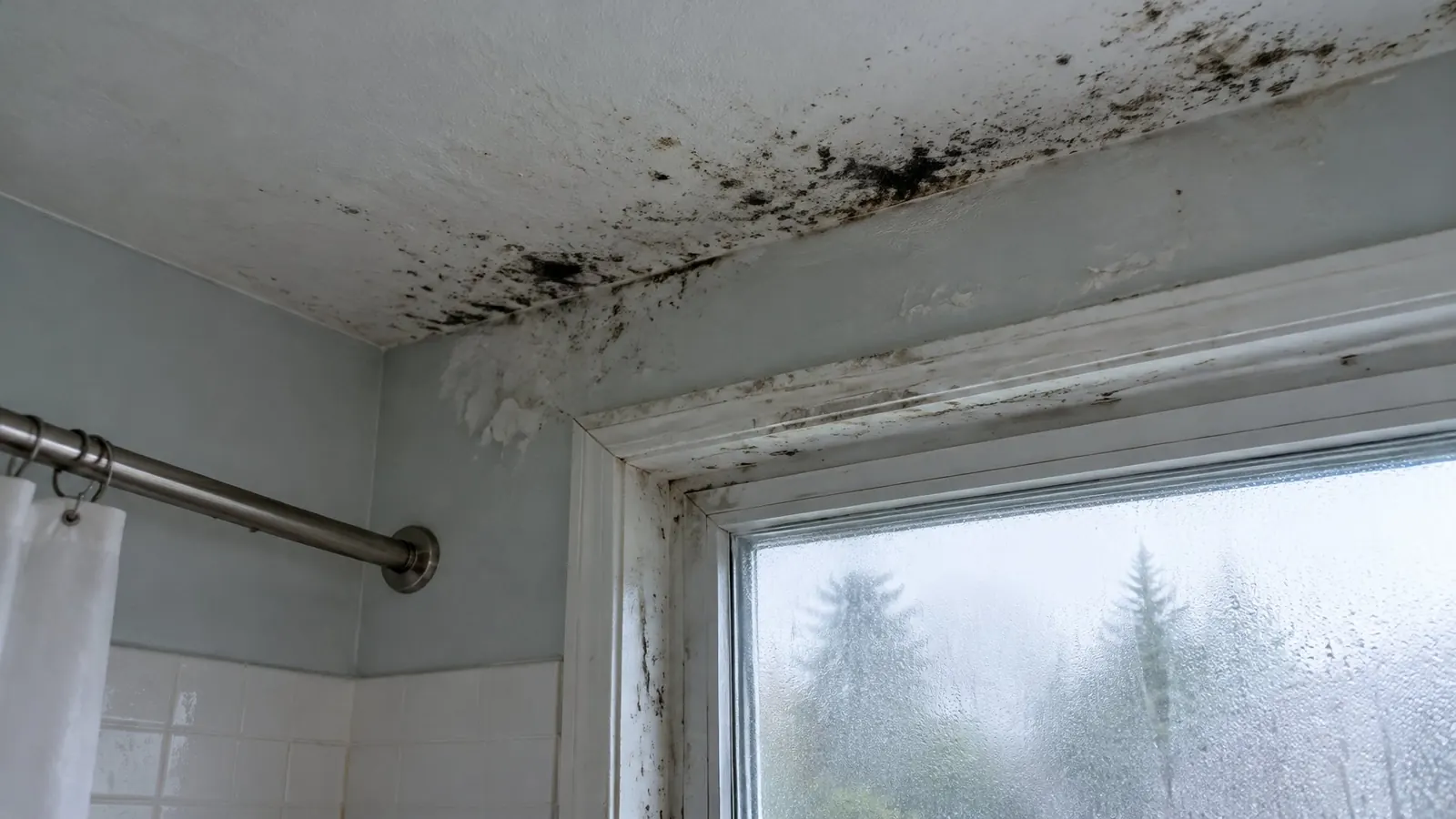
No license, so ask more questions
Washington doesn't certify mold remediators. In the Department of Health's words, there are no specific certification requirements for mold or water damage restoration in the state, and anyone can call themselves a mold remediation specialist (DOH: hiring a contractor). The department suggests checking that the contractor is registered, bonded and insured through L&I, and mentions IICRC training as a voluntary credential.
Good remediation follows the same order every time: fix the moisture that fed the mold, contain the area so spores don't spread, remove moldy porous materials, clean what can be cleaned, and dry everything before rebuilding.
What to ask a mold contractor
- L&I registration
- Look them up at L&I Verify: registration, bond and insurance.
- Training
- IICRC or similar training in water damage and mold remediation is voluntary but useful to ask about.
- Containment
- How the work area will be sealed off and kept under negative pressure.
- The moisture source
- Who fixes it: a leak, condensation, crawl space water or ventilation.
How it works
Four steps, one phone call
Call
Tell whoever answers what happened, where the water or smoke came from and your ZIP code.
Connect
You're put through to an independent restoration contractor serving your part of the Eastside.
Assess
They inspect, measure moisture, explain what has to come out and give you their price.
Decide
Hire them or not. The agreement is between you and the contractor.
Questions
Common questions
Can I clean small mold spots myself?
The EPA says a homeowner can usually handle an area under about 10 square feet, if the moisture problem is fixed and they take precautions (EPA guide). Larger areas, mold in ducts or mold after sewage are better left to a professional.
Why does mold keep coming back on my bathroom ceiling?
Usually condensation: warm, wet air meeting a cool surface with too little ventilation. Remediation removes the mold; an exhaust fan that actually vents outside, and running it, stops it returning.
Is mold testing needed?
Not always. When mold is visible, removing it and fixing the moisture comes first. Testing can help find hidden mold or confirm the result afterwards.
Also
Other kinds of damage
- Water Damage CleanupLeaks, overflows and failed appliances: water out, materials dried and checked, damage repaired.
- Condo & Townhome LeaksWater through the ceiling from upstairs, or your leak reaching the unit below: what to do and who to tell.
- Broken & Frozen PipesA supply hose that let go or a pipe split in a cold snap: water off first, then extraction and drying.
- Rain & Storm FloodingOverflowing gutters, flooded window wells and water in the lower level after heavy rain.
- Crawl Space WaterStanding water, soaked insulation or a torn vapor barrier under the house: pumped, dried and checked.
- Sewage Backup CleanupSewage up through a floor drain, tub or toilet: contaminated materials out, surfaces cleaned and sanitized.
- Fire & Smoke DamageSoot, smoke odor and the water used to fight the fire: cleaned, deodorized, dried and repaired.
Water, smoke or mold
Get a restoration contractor on the phone
One call connects you with an independent contractor serving Bellevue, Kirkland, Redmond, Renton, Issaquah, Sammamish and Mercer Island. Say what happened, where the water came from and how long it's been wet.
Something wet that shouldn't be? Call now.
Your call goes to an independent restoration contractor that works in Bellevue and on the Eastside.
Call (425) 592-3275Calls may be recorded. Read the referral disclosure and privacy policy.